
Cold-weather respiratory management is different from summer or smog-season management. This guide walks families through oxygen equipment winter Islamabad realities — what cold does to respiratory conditions, which equipment matters through the winter months, and how to plan the setup before the coldest nights arrive. Nothing here replaces the pulmonologist's specific prescription; this covers equipment planning for the cold season.
Why Cold Weather Worsens Breathing Problems
Cold air affects the lungs in several concrete ways:
- Cold air causes bronchoconstriction — the airways narrow reflexively
- Cold dry air irritates already-inflamed airways
- Reduced humidity thickens secretions, making them harder to clear
- Reduced exercise (people stay indoors) leads to poorer lung function
- Indoor gas heaters produce combustion by-products that irritate airways
- Poorly ventilated indoor spaces accumulate irritants
- Winter respiratory viruses spread more readily
- Reduced immune function in the cold
Combined with the pre-existing conditions many Pakistani patients have — COPD, asthma, bronchiectasis, post-COVID lung changes, heart failure — winter becomes measurably harder for the lungs.
Who Should Decide on Equipment
- Pulmonologist / Physician: Prescribes therapy changes for winter, decides on new equipment if needed. May adjust medications preemptively.
- Registered Nurse: For patients receiving home care, monitors respiratory status through winter and reports early changes.
- Equipment Supplier: Delivers and demonstrates equipment. Not clinical — do not accept equipment recommendations from suppliers without doctor input.
- Family: Runs the practical arrangement, tracks the patient's baseline, notices subtle changes.
Reputable equipment providers in Islamabad and Rawalpindi typically prepare winter equipment recommendations in October and November so families can plan ahead. Coordinated arrangements from a single provider that supplies the equipment alongside associated home nursing tend to produce smoother winter transitions than piecing services together.
Who Genuinely Needs Extra Winter Equipment
- COPD patients, especially with previous winter exacerbations
- Asthma patients with poor cold tolerance
- Elderly patients with any respiratory history
- Post-COVID patients with residual lung symptoms
- Bronchiectasis patients
- Heart failure patients (cold worsens cardiovascular strain)
- Bedridden patients susceptible to chest infections
- Ventilator-dependent patients where humidification matters more in winter
- Children with recurrent asthma or bronchiolitis
- Patients recovering from recent chest surgery or pneumonia
For these patients, winter planning should start in October rather than reacting in December when the AQI plus cold combination has already caused problems.
Key Equipment for Winter Respiratory Care
Oxygen Concentrator
For patients whose oxygen saturation drops in cold weather, or whose existing oxygen needs increase during winter, an oxygen concentrator is central. New users often need one for winter and can return the rental in spring. Existing users may need higher flow rates or better backup arrangements.
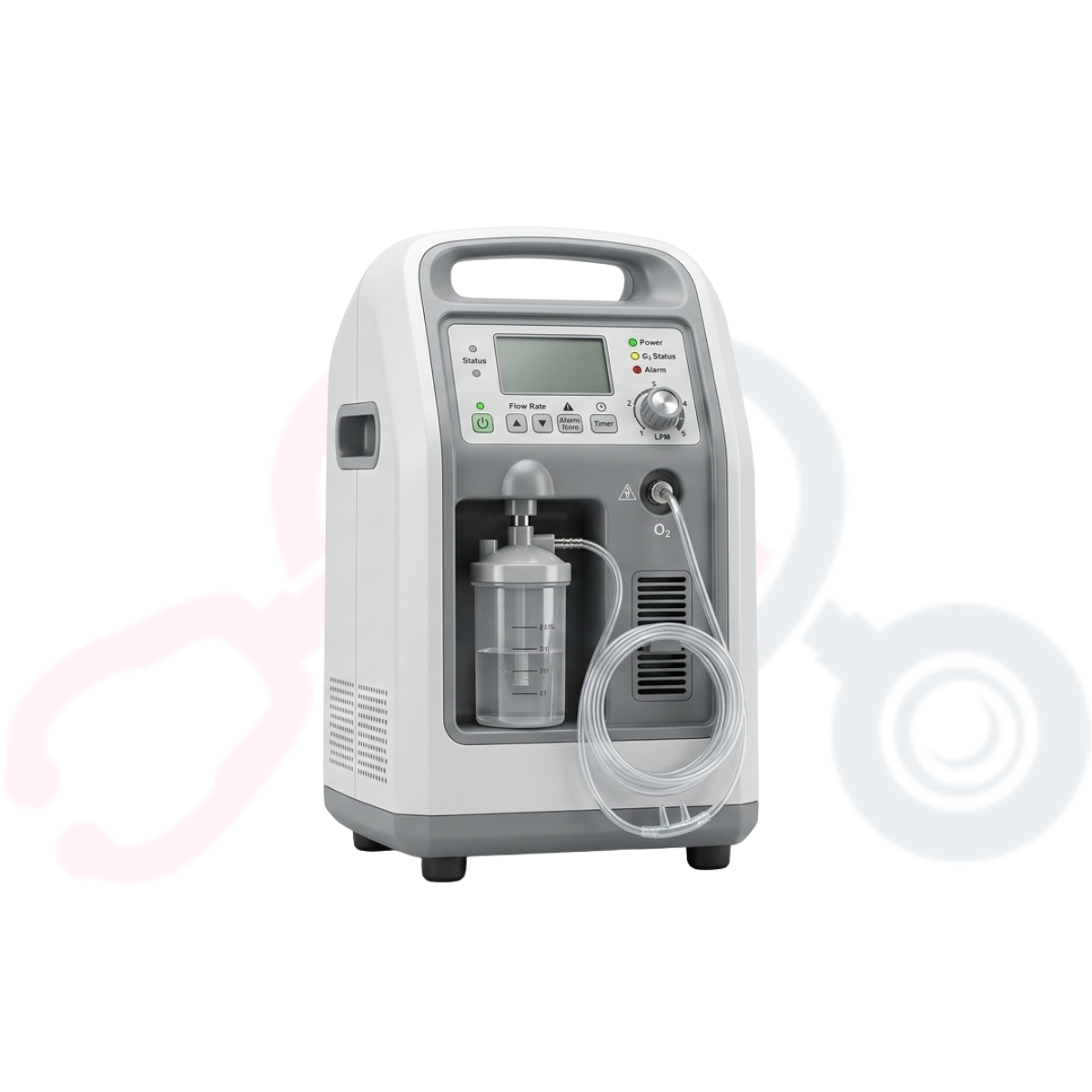
Oxygen Concentrator (5 Liters)
Reliable electric oxygen machine producing up to 5LPM continuous oxygen. Low noise operation for peaceful winter nights.
Oxygen Cylinder Backup
Load-shedding is worse in winter with high demand for heating appliances. A backup oxygen cylinder is essential for any patient on continuous oxygen through winter.
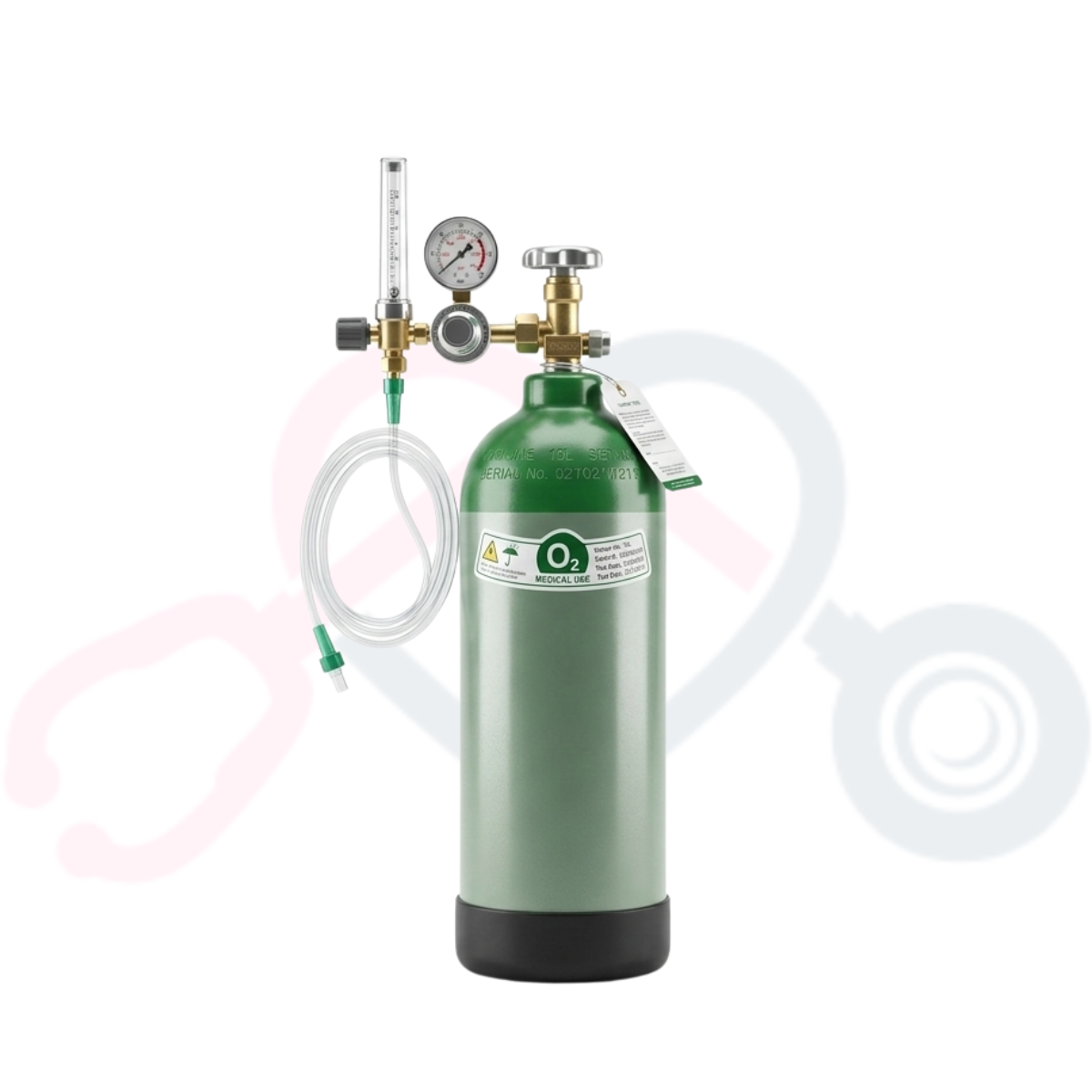
Oxygen Cylinder (10 Liters)
Essential portable 10L oxygen cylinder with flowmeter. Crucial load-shedding and winter emergency backup for concentrator users.
Nebuliser
For prescribed inhaled medications delivered as mist. During winter, doctors may increase frequency or add medications to combat airway constriction. A nebulizer machine is one of the most commonly needed winter respiratory devices in Islamabad homes.
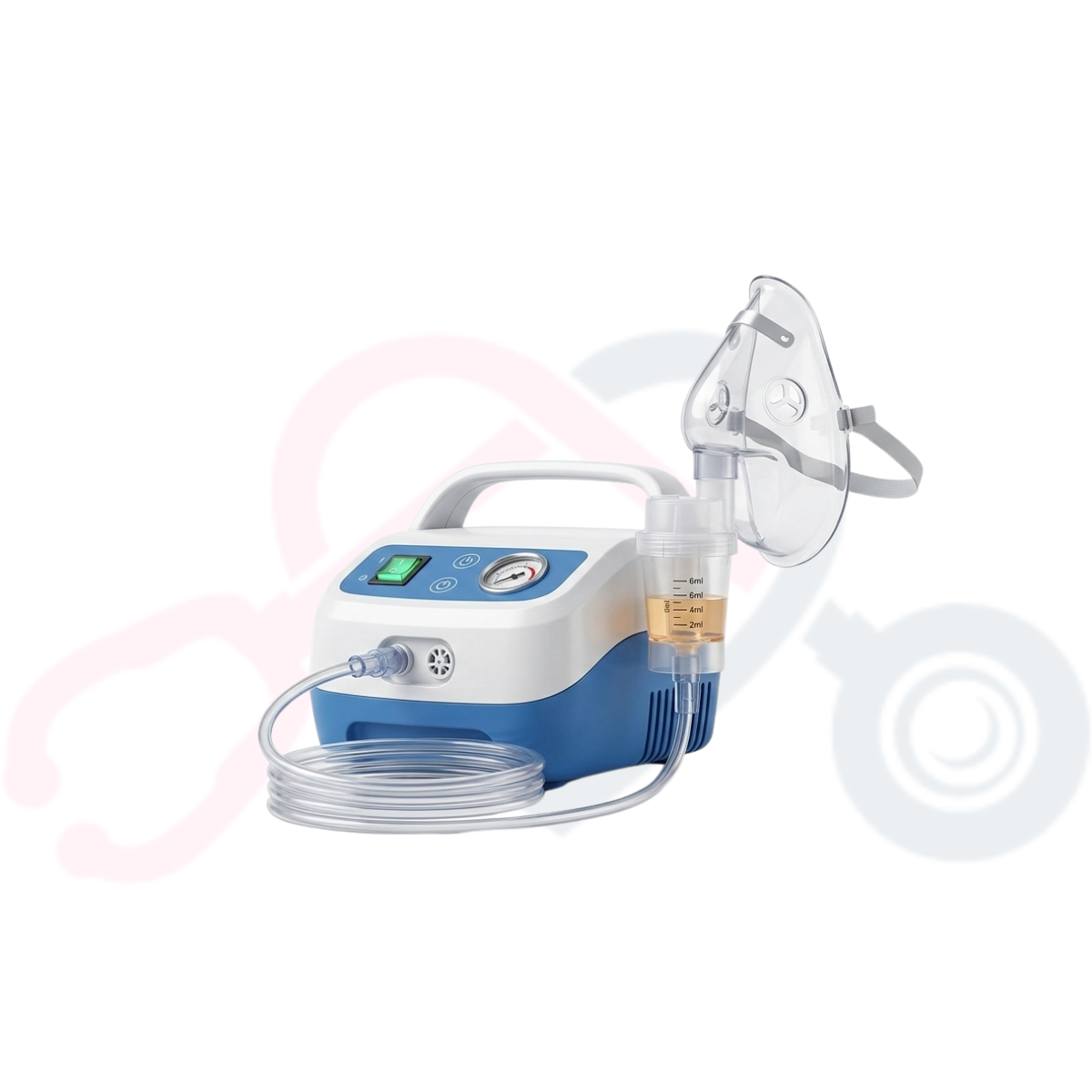
Nebulizer Machine
Compressor nebulizer designed to convert liquid medication into a fine breathable mist. Crucial for winter chest flares.
BiPAP Machine
For selected patients — sleep apnoea with COPD overlap, some respiratory failure situations, patients with hypoventilation. A BiPAP machine is for winter use only in patients where the pulmonologist has strictly prescribed it.
Suction Machine
For patients with weak coughs or persistent secretions that thicken in cold weather. A suction machine alongside chest physiotherapy through winter helps keep the airway clear.
Humidifier (Room and Inline)
Cold winter air is often very dry — especially in heated rooms. Room humidifiers reduce respiratory tract irritation. Inline humidifiers on oxygen concentrators reduce nasal dryness for continuous users.
Pulse Oximeter
Essential for winter monitoring. Small fingertip device shows oxygen saturation instantly. Every household with a respiratory patient should have one — cheap and hugely valuable.
Hospital Bed With Head Elevation
For patients whose breathing improves when semi-upright, especially at night. An electric hospital bed allows the patient to sleep with their head elevated, easing nocturnal breathing through winter.
Room Heating (Non-Combustion)
Not strictly medical equipment but critical. Gas heaters produce carbon monoxide and combustion irritants that worsen respiratory disease. Electric heaters or reverse-cycle AC (heat pump mode) are safer for respiratory patients. Discuss room heating with the family when equipment is being set up.
Matching Equipment to Winter Patient Profiles
Stable COPD Patient Who Deteriorates in Winter
Nebuliser as prescribed. Oxygen concentrator with cylinder backup. Pulse oximeter for daily monitoring. Room humidifier if the room is heated by combustion-free means. Preventive pulmonologist review in October.
Asthma Patient With Cold-Triggered Attacks
Nebuliser for prescribed bronchodilators. Inhalers optimised for cold. Peak flow meter for monitoring. Pulse oximeter.
Post-COVID Recovery Patient
Ongoing oxygen if still needed. Regular saturation monitoring. Nebuliser for prescribed medications. Chest physiotherapy if secretions are a problem.
Bedridden Elderly Patient
Chest infections are the leading cause of hospital admission for this group in winter. Structured winter monitoring, chest physiotherapy, adequate positioning, and prompt response to any respiratory change. Suction machine if weak cough.
Heart Failure Patient
Cold worsens cardiovascular strain. Oxygen if needed for saturation issues. Careful fluid management. Weight monitoring for fluid retention.
Home Ventilator Patient
Existing ventilator continues. Additional humidification often needed for winter. Chest physiotherapy frequency may increase.
Ventilator-Dependent Patient
Winter setup review — humidification, backup power, cylinder oxygen reserves. Extra vigilance for secretion issues.
Post-Pneumonia Recovery
Extended recovery through winter. Nebuliser, monitoring, timely doctor review for new symptoms.
Setting Up Before the Cold Sets In
- Pulmonologist Visit in October: Review current medications, adjust preemptively for winter if the patient has a history of winter exacerbations, plan equipment needs.
- Equipment Ordering by Early November: Providers get busy through November and December. Ordering ahead ensures availability.
- Consumables Stock: Nebuliser masks, tubing, fresh cups, prescribed medications for the whole season, spare oxygen tubing, humidifier bottles and distilled water, pulse oximeter batteries, and air purifier filters.
- Room Preparation: Draft-proofing without eliminating ventilation completely. Safe heating without combustion in the patient's immediate area. Humidifier if the air becomes very dry. Warm bedding.
- Backup Power: UPS for oxygen concentrator, generator or solar backup for extended outages. Load-shedding through winter can be prolonged.
Cold-Weather Care Routine
- Keep the Patient Warm: Warm clothing indoors and out. Head covered outdoors. Warm bedding. Avoid sudden cold exposure.
- Cold Air Precautions: Scarf or mask covering the nose and mouth when going outdoors. Cold morning air is particularly irritating.
- Room Temperature: Keep the room adequately warm but not overheated. Excessive dry heat worsens airways.
- Humidification: In heated rooms, add moisture — humidifier, bowls of water, damp cloths.
- Adequate Hydration: Warm fluids help thin secretions. Encourage regular sips through the day.
- Nebuliser Sessions on Schedule: As prescribed. Not skipped because the patient "seems fine today". Consistent use is preventive.
- Oxygen Saturation Monitoring: Daily checks for at-risk patients. Trend matters more than one number.
Using Winter Equipment Correctly
Oxygen Concentrator
Flow rate as prescribed. Correct cannula or mask. Humidifier attached with distilled water. Positioned with adequate room ventilation. Filters cleaned regularly.
Nebuliser
Fresh sterile cup for each treatment. Correct medications and dilutions. Patient sitting upright. Full session length. Cleaning after each use.
BiPAP
Properly fitted mask. Correct pressures. Humidifier tank filled with distilled water. Regular cleaning.
Suction Machine
Only when needed, not scheduled. Correct pressure. Short passes with recovery time between. Fresh catheter each pass.
Avoiding Winter Complications
Prevent Chest Infections
Flu vaccine annually before winter starts. Pneumococcal vaccine per current schedule. Strict hand hygiene routine. Limit visitors with respiratory symptoms. Ensure adequate nutrition to support immunity.
Manage Chronic Conditions Well
Diabetes, hypertension, heart failure — all affect respiratory function when poorly controlled. Winter is not the time to relax on these.
Address Poor Cough Early
Chest physiotherapy, adequate hydration, prescribed mucolytics if indicated.
Do Not Delay Doctor Contact
Winter chest problems in vulnerable patients worsen quickly. Early doctor contact often prevents hospitalisation.
The Special Case of Islamabad Winter Fog
Islamabad and Rawalpindi winter combines cold with periods of fog and, increasingly, smog. When these coincide, indoor time increases, windows are closed more, and indoor air quality matters more. An air purifier is valuable during these days. Any outdoor exposure requires masks (N95 or KN95) to reduce inhaled particulates.
Common Mistakes Families Make
- Waiting for Emergency Before Equipment: Ordering in December instead of October. Suppliers get busy; nurses get busy. Plan ahead.
- Using Gas Heaters in the Patient's Room: Combustion by-products irritate airways. Carbon monoxide risk. Use electric heating instead.
- Overheating the Room: Very hot dry air irritates airways as much as cold does. Moderate temperature with adequate humidity is best.
- Skipping Vaccinations: Flu vaccine specifically. Costs little, prevents a lot.
- Not Monitoring Saturations: Pulse oximeter checks catch deterioration before symptoms become severe.
- Cold Fingers on Pulse Oximeter: False low readings cause unnecessary panic. Warm the finger first.
- Not Having Load-Shedding Backup: Extended power cuts through winter without backup for oxygen equipment can be fatal.
Red Flags: When to Seek Emergency Help
Contact the doctor immediately for any of the following:
- Severe shortness of breath at rest
- Bluish colour around lips or fingertips
- Oxygen saturation dropping and not recovering
- Chest pain
- Coughing up blood
- New confusion or drowsiness in a respiratory patient
- Inability to speak full sentences due to breathlessness
- Wheeze severe and not responding to nebuliser
- High fever with respiratory symptoms
- Complete equipment failure without backup
For patient-friendly background on respiratory conditions and winter care, the NHS guide to living with COPD is a reliable reference. For your patient's specific plan, always follow the treating doctor.