
This guide walks through what affects ventilator rental pricing, what setup at home actually involves, and what to check before renting one to ensure your loved one receives safe and effective respiratory support.
Why Families Choose Ventilator Rental Over Purchase
Buying a ventilator is a significant investment, and for many patients, ventilator support is needed temporarily — during recovery from surgery, a respiratory illness, or while transitioning from hospital to home care. Renting makes sense when:
- The need is short-term or the recovery timeline is uncertain
- The family wants to avoid the higher upfront cost of purchasing
- The patient's condition may change, requiring a different ventilator type later
- Professional setup, maintenance, and support are needed without owning the equipment long-term
For patients with a long-term or permanent need for ventilator support, purchasing may eventually make more financial sense — but renting is almost always the right starting point while the situation is still developing.
What Affects Ventilator Rental Price in Lahore
Monthly ventilator rental in Lahore typically starts from around Rs. 35,000 per month, though the final price varies based on several factors:
- Type of ventilator – Invasive ventilators (used with a tracheostomy) and non-invasive ventilators (used with a mask, such as BiPAP-style support) are priced differently based on complexity and features.
- Rental duration – Daily, weekly, and monthly rental rates typically differ, with longer-term rentals often working out more cost-effective per day.
- Setup and installation support – Whether the rental includes professional setup, patient/family training, and ongoing technical support.
- Accessories included – Circuits, masks, humidifiers, backup batteries, and other consumables may be included or charged separately.
- Maintenance and servicing – Regular servicing and quick replacement in case of a technical fault can affect overall cost.
This starting price generally applies to standard non-invasive ventilator rental. The exact cost can go higher depending on the type of ventilation needed (invasive vs. non-invasive), accessories required, and the length of the rental period. For an accurate quote based on your patient's specific needs, contact ShineMedicalEquipment.pk directly.
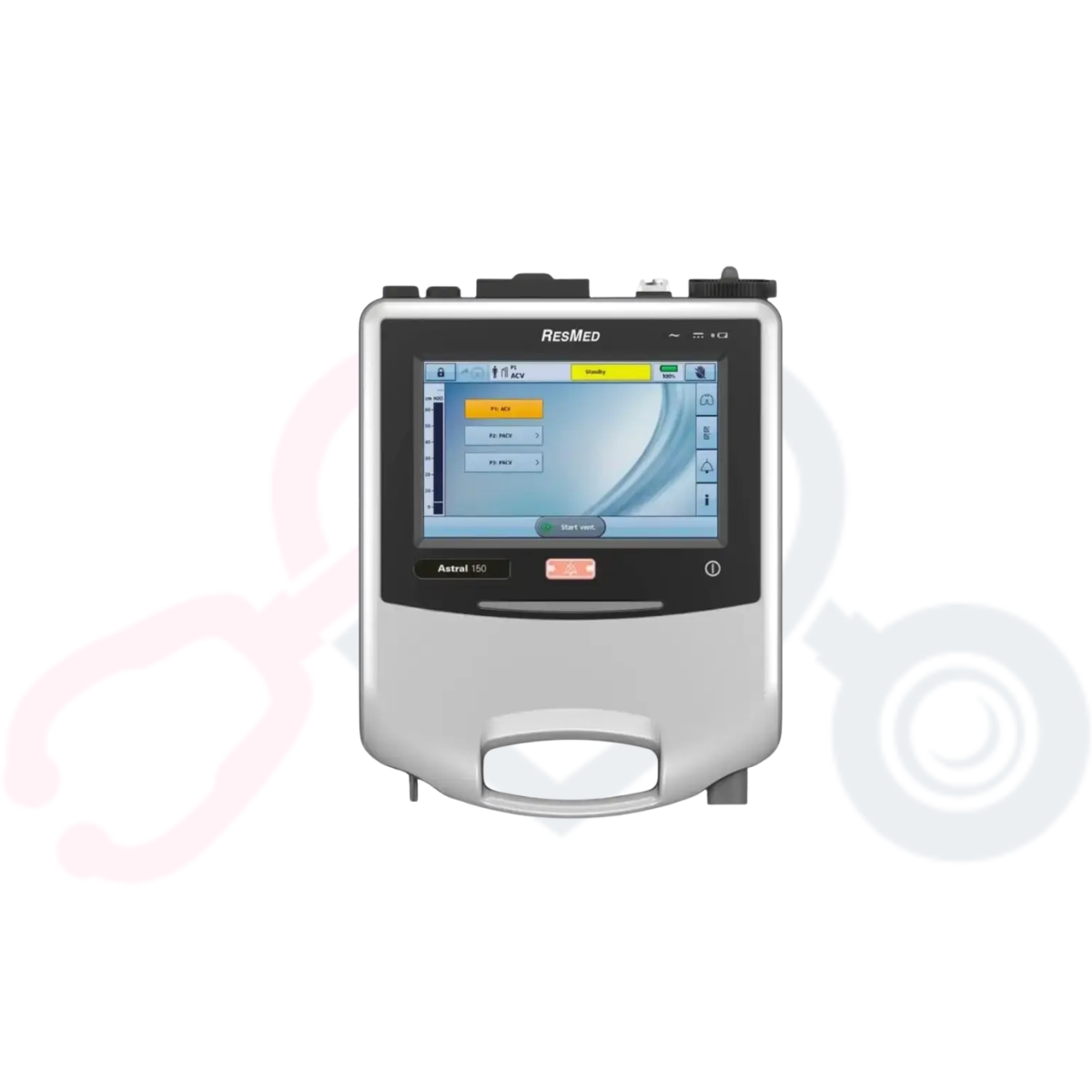
Medical Ventilator
Advanced life-support ventilator providing invasive and non-invasive mechanical breathing support for critical care at home.
Types of Ventilators Available for Home Rental
Depending on the doctor's recommendation, home ventilator support generally falls into two categories:
- Non-Invasive Ventilation (NIV) – Delivered through a tightly fitted mask over the nose or face, commonly used for patients with chronic respiratory conditions, sleep-related breathing issues, or those recovering from certain illnesses who don't require a tracheostomy.
- Invasive Ventilation – Delivered through a tracheostomy tube, typically needed for patients with more severe or long-term respiratory failure, often those transitioning home after extended ICU care.
The right choice depends entirely on the patient's medical condition and should always be determined by the treating doctor — never chosen based on cost alone.
How Ventilator Setup at Home Works
Setting up a ventilator at home isn't just about delivering the machine — it requires proper installation and family orientation to be safe. A responsible setup process typically includes:
1. Pre-Setup Assessment
Before delivery, it helps to confirm the patient's exact ventilator settings as prescribed by their doctor, along with any specific accessories (mask size, tubing, humidifier) required for their condition.
2. Professional Installation
The ventilator should be installed by trained personnel who position it correctly, connect all tubing and accessories properly, and verify the machine is functioning according to the prescribed settings.
3. Backup Power Planning
Given Lahore's occasional power outages, a home ventilator setup should always include a plan for backup power — either an internal battery, UPS, or generator backup — since even a short interruption can be dangerous for a ventilator-dependent patient.
4. Family and Caregiver Orientation
Family members or caregivers present at home should be shown how to recognise normal operation versus alarms, how to respond to common alerts, and who to contact immediately if something seems wrong. This orientation step is one of the most important parts of a safe home ventilator setup, since caregivers are often the first to notice a problem.
5. Ongoing Monitoring and Nurse Support
For patients on invasive ventilation especially, having a trained nurse present — even part-time — adds a critical layer of safety for tasks like suctioning, monitoring oxygen levels, and recognising early signs of complications.
Before finalising a rental, it's worth confirming a few things with the provider:
- Does the rental include setup, delivery, and basic caregiver training?
- What happens if the equipment develops a technical fault — is replacement immediate?
- Are consumables (circuits, filters, masks) included, or charged separately?
- Is 24/7 support available in case of an urgent issue at home?
- Can the rental duration be extended or the equipment type changed if the patient's needs change?
A provider who answers these clearly, without vague responses, is generally more reliable to work with for equipment this critical.
Safety Considerations for Home Ventilator Use
A ventilator is life-supporting equipment, and home use comes with real responsibilities. Some general safety points to keep in mind:
- Never adjust ventilator settings without your doctor's specific instruction
- Keep the ventilator's power source and backup battery checked regularly
- Ensure the patient's airway and tubing are checked as instructed by the medical team
- Know the warning signs of equipment malfunction, such as unusual alarms or changes in the patient's breathing pattern
- Keep emergency contact numbers for both the medical team and the equipment provider readily available
According to MedlinePlus, a U.S. National Library of Medicine patient resource, ventilators are computerized machines with alarms that alert caregivers and the healthcare team when something needs to be fixed or changed — which is exactly why understanding these alarms, rather than ignoring them, is central to safe home use.
Getting Started
If your family is arranging a ventilator on rent in Lahore, the most important first step is having your doctor confirm the exact type of ventilation needed and the settings required. From there, reaching out to a medical equipment provider for setup, delivery timelines, and pricing specific to your situation will give you a realistic picture — rather than guessing based on general estimates.
Frequently Asked Questions
Conclusion
If your family needs a ventilator on rent in Lahore, Shine Medical Equipment can help with setup, delivery, and guidance based on your loved one's specific requirements.
Visit the ventilator rental page to get started or request a customized quote from our team.
Contact via WhatsApp